Bees help Texas plants grow by pollinating flowers and crops. However, when they build hives in your McKinney backyard or start hovering near your patio, it’s understandable that you would want some space. The good news? You can keep bees away from your McKinney home without harming them.
In this guide, we’ll walk you through safe and simple ways to keep bees from moving into your yard. We’ll also discuss what to do if you find a hive on your property, and when to call for professional help like PCI Pest Control.
Key takeaways
- Bees are essential pollinators. However, their presence near homes can become a safety concern, especially if they start nesting in or around your property.
- Prevent bee infestations without harming them by removing standing water, using scent-based deterrents, sealing nesting areas, and maintaining a tidy yard.
- If you find a beehive or swarm, avoid disturbing it and call a professional like PCI Pest Control for safe, humane bee removal.
- Early action prevents bigger problems, such as structural damage or aggressive stinging insects taking over spaces near your home.
Why bees show up in your yard
Bees are drawn to yards with flowers, water, and shelter, not to people. McKinney yards attract bees for a few reasons, including:
- Flowering plants: Bees love pollen and nectar, especially from native Texas wildflowers, fruit trees, and ornamental blooms.
- Standing water: Birdbaths, kiddie pools, and pet bowls are welcome hydration stations.
- Shady nesting spots: Bees seek sheltered spots like roof eaves, attic vents, or empty sheds.
You don’t need to eliminate all these things. But minor adjustments can help guide bees elsewhere.
Non-harmful ways to prevent bees from nesting
If you’re looking to keep bees away without hurting them, these eco-friendly tactics can help:
Limit access to water
Bees need water to cool their hives. Try these steps:
- Empty birdbaths regularly.
- Fix leaky hoses or faucets.
- Avoid leaving standing water in toys, buckets, or flowerpots.
Use scent-based deterrents
Bees avoid certain smells, including:
- Peppermint oil
- Citronella
- Eucalyptus
- Cucumber peels
Place these near common gathering spots like outdoor furniture or entryways.
Seal off potential nesting areas
Look for areas bees might use to build nests, like small gaps or openings around your home. Use caulk, weather stripping, or mesh to seal:
- Holes in siding or fencing
- Gaps in soffits and eaves
- Openings around utility boxes
Maintain your yard
Overgrown bushes and cluttered sheds create attractive conditions for beehives. Keep your McKinney yard tidy by:
- Trimming hedges and shrubs
- Removing debris and unused equipment
- Regularly inspecting sheds, garages, and outbuildings
What to do if you spot a beehive or swarm
Finding a beehive or witnessing a bee swarm doesn’t mean you’re under attack. Swarms are often just scout bees relocating.
Avoid swatting or spraying
Most bee species, especially honey bees, won’t sting unless provoked. Spraying or disturbing them increases the chance of stings and harms their colony.
Keep your distance
If you spot a beehive on your property, steer clear. Try to stay at least 10-15 feet away from the hive to avoid encountering the bees. You should also make sure to keep pets and children indoors. Do not block their flight path to lower your chance of getting stung.
Call a local professional for safe bee removal
PCI Pest Control offers live bee removal and can coordinate with McKinney-area beekeepers and apiary contacts when possible. If the hive is in a risky spot, we can safely remove it using methods that protect both you and the bees.
Our bee removal services prioritize both your safety and the well-being of pollinators. We also provide wasp removal for species like yellow jackets and hornets.
Why you should act early
Bee infestations can grow fast. Small bee nests can become a big hive in your attic or shed in just a few weeks.
Early intervention helps avoid:
- Costly structural damage
- More invasive removal processes
- Stings, especially for those with allergic reactions
Professional bee control in McKinney and surrounding areas
We understand the importance of pollinators in Texas’s ecosystem. That’s why PCI Pest Control offers safe removal services and provides tips to help prevent future hives.
If you’re in McKinney or nearby areas like Frisco, Plano, Fort Worth, or the greater DFW region, our licensed exterminators are equipped to handle everything from swarm removal to beehive removal in attics, crawlspaces, or wall voids.
We also help customers across North Texas, from Houston to San Antonio, by partnering with trusted bee rescue teams and providing fast, local service.
Why choose PCI Pest Control?
As a locally owned business, we understand the balance between staying bee-friendly and keeping your space safe. Our team uses non-toxic, humane methods whenever possible, and every service comes backed with a satisfaction guarantee and free re-treatments for covered pests.
Looking to reclaim your outdoor space without harming helpful pollinators? PCI Pest Control in McKinney helps you do it safely and responsibly.
Contact us today or request a free quote for advice or service options tailored to your situation.
FAQ
How do I know if I have honey bees or wasps?
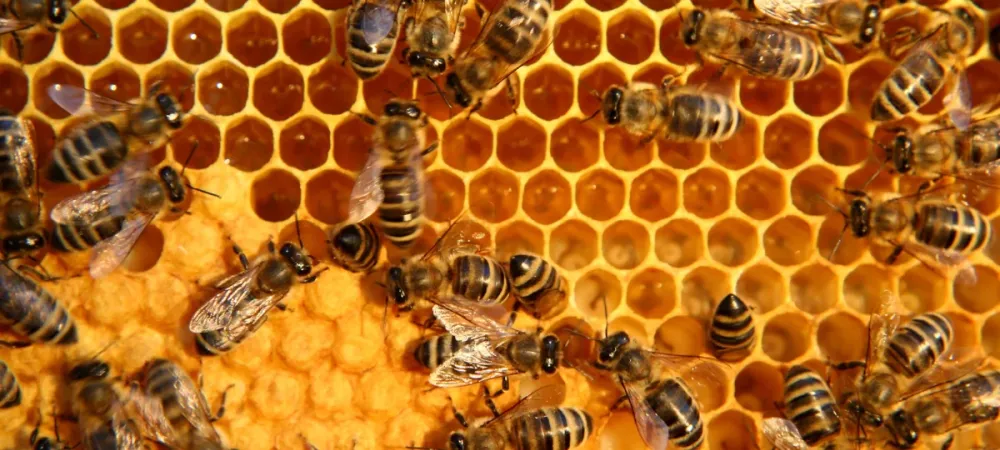
Honey bees are fuzzy, round, and typically golden in color. Wasps and hornets are slimmer, shinier, and more aggressive. If you’re unsure, it’s best to contact a pest control professional for identification.
Will bees return after removal?
Bees may come back if the hive isn’t entirely removed or cleaned up. PCI technicians remove the hive, clean the site, and offer recommendations to prevent future infestations.
Are your bee removal methods safe for pets and kids?
Yes. Our safe bee removal techniques focus on live relocation and non-toxic deterrents. We always recommend keeping children and pets away during service for added caution.
 to walk you through your pest control plan.
