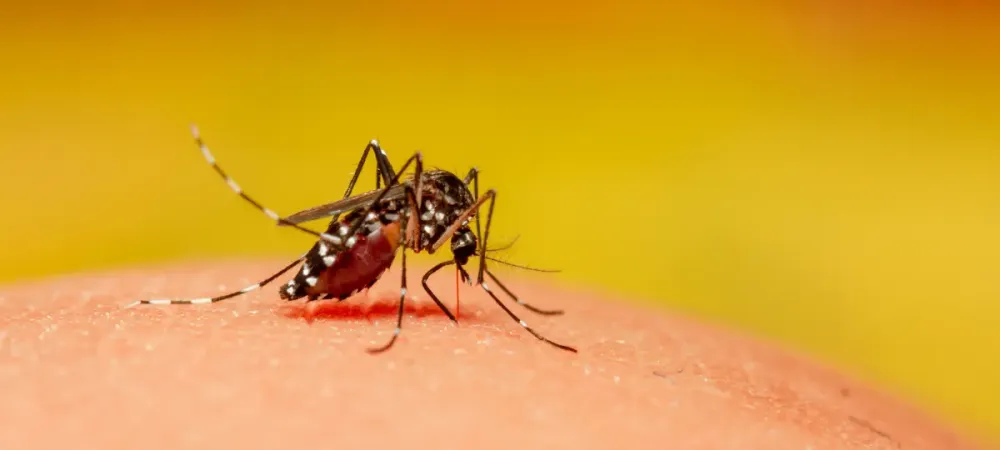
If your summer evenings in McKinney are spent swatting mosquitoes instead of relaxing on the porch, you’re not alone. Late summer in North Texas often means a spike in mosquito infestation, and McKinney’s warm, humid conditions play a significant role in the problem.
Whether you’re seeing mosquitoes around the garden, near the pool, or inside the house, there are fundamental steps you can take to get relief.
In this article, we’ll walk through what causes mosquito infestations in late summer, what you can do yourself, and when it’s time to bring in a local pest control company.
Key Takeaways:
- Mosquito infestations in McKinney, TX often spike in late summer due to standing water and high humidity.
- DIY methods like dumping standing water and trimming overgrown areas help, but professional mosquito control offers longer-lasting results.
- PCI Pest Control uses eco-friendly products and targeted misting treatments that quickly reduce mosquito numbers.
- Regular service keeps your outdoor spaces mosquito-free and supports a pest-free home throughout the season.
Why mosquitoes spike in late summer
Mosquitoes thrive in warm, moist environments, and late summer in McKinney, TX, checks both boxes. After seasonal rain showers, water often collects in areas like flowerpots, gutters, tarps, and birdbaths. Just a small amount of water, about the size of a bottle cap, is enough for mosquitoes to breed.
These conditions align with the mosquito life cycle, which can go from egg to biting adult in less than a week. If water sits in your yard, even for a few days, it can lead to an infestation faster than you’d expect.
Where mosquitoes breed in McKinney backyards
You might be surprised how many mosquito breeding sites are hiding in plain sight. Common spots include:
- Birdbaths and pet bowls
- Kiddie pools or pool covers
- Clogged gutters
- Plant saucers
- Buckets, toys, or garden equipment
- Rain barrels (uncovered)
- Low spots in lawns where water pools
Mosquito breeding sites can hide in unexpected places, even in clean, well-maintained yards.
Health risks of mosquitoes in North Texas
Mosquito bites cause more than just discomfort. Since mosquitoes are known carriers of diseases, their bites can cause health problems. In McKinney and the surrounding areas, West Nile virus is the most common concern. However, there have been reports of the Zika virus and other mosquito-borne illnesses in Texas over the past few years.
Mosquitoes can also indicate broader pest management issues. For example, a property with a high mosquito population might also attract fleas or termites, especially in areas with overgrown vegetation. Treating one without addressing the others doesn’t always get the job done.
How to reduce mosquitoes around your home
Image

1. Dump standing water weekly
Removing standing water weekly is the single most effective step you can take. Empty containers like birdbaths, toys, buckets, and plant saucers weekly, and clear gutters so water doesn’t collect.
2. Trim your yard
Mosquitoes rest under bushes and in tall grass to avoid the heat. Trim and thin vegetation, mow regularly, and keep sunny, open spaces to reduce hiding spots.
3. Use personal protection
Mosquitoes are most active during dawn and dusk. If you’re outdoors during peak mosquito hours, wear long sleeves and use EPA-registered repellents. You can also try outdoor fans, mosquito traps, or DIY misting solutions to target trouble spots.
4. Call in mosquito control services
Professional mosquito control can solve your mosquito problem. A pest control company can identify breeding sites you may have overlooked and apply treatments that prevent mosquitoes from breeding, killing both adult mosquitoes and their larvae.
What professional mosquito treatment looks like
At PCI Pest Control, we tailor our mosquito control service to McKinney’s climate and seasonality, delivering top-notch results every time:
- Full-yard inspections to find breeding and harborage sites
- Biological breeding-site stations that prevent mosquitoes from maturing
- Low-volume misting applications to knock down adult populations
- Barrier sprays for added protection in high-traffic zones
- Monthly service options from March through November
Our Plus Plan includes no-charge call-backs if you’re still seeing activity between services. You’ll also receive appointment reminders and updates via text messages. (Data rates may apply.)
We also offer one-time misting services for special events.
All treatments use eco-friendly products chosen for their safety and effectiveness.
Why mosquito control matters in McKinney, TX
McKinney’s mix of heat, humidity, and rainfall means mosquito season stretches longer than in many parts of the country. By late summer, mosquito numbers can skyrocket, especially if your property has shaded areas or moisture buildup.
Homeowners in Frisco, Plano, and Allen face similar challenges, so even if you’re doing everything right, neighborhood conditions can still contribute to your mosquito problem.
That’s where professional pest control services help. PCI offers a layered, proactive approach designed for local conditions, keeping your yard free from mosquitoes and pests.
Don’t let mosquitoes control your yard
You shouldn’t have to cut summer short because of mosquitoes. Whether you’re just trying to enjoy dinner on the patio or planning a backyard get-together, a few smart steps and help from a trusted local pest control company can bring back your yard.
If mosquitoes are taking over, PCI Pest Control can help.
Contact us or request a free quote to make your backyard mosquito-free.
FAQs
How long does mosquito treatment take?
Most applications take about 20–30 minutes, depending on yard size. You’ll need to wait until it dries (usually about 60 minutes) before letting pets or kids back outside.
Is mosquito treatment safe for kids and pets?
Yes. All treatments are safe once dry and applied per label directions. We’ll let you know precisely when it’s okay to re-enter treated areas.
How quickly will I see results after mosquito treatment?
Most people notice a drop in mosquito activity within 24 hours, with further reduction over the next few days.
 to walk you through your pest control plan.
