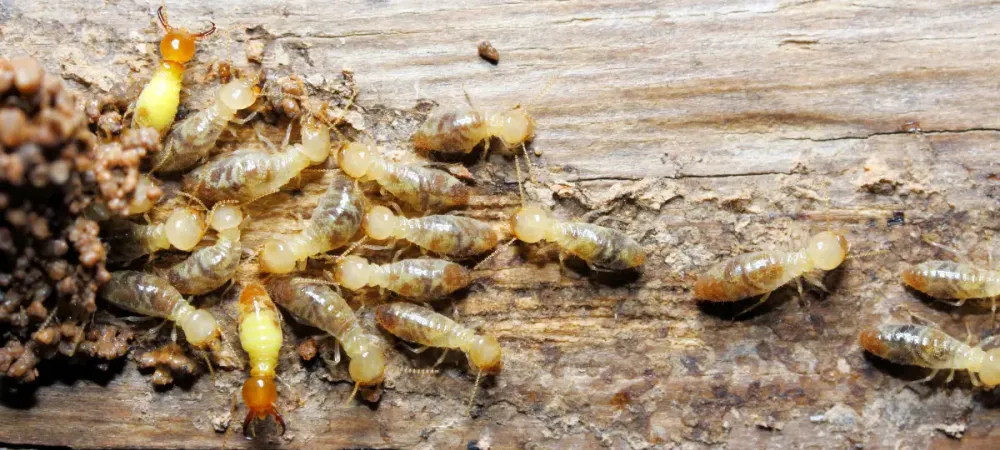
Texas summers are hot, and so is termite activity. If you’re a homeowner in McKinney, spotting the early signs of termites can help protect your home from costly repairs. Termites may be quiet, but these destructive pests can cause significant damage if left unaddressed. That’s why staying alert in summer, when these pests are most active, is key.
This guide will help you recognize common signs of a termite infestation and provide guidance on the next steps. From mud tubes on your foundation to swarmers on your windowsills, you’ll know what to look for and when to call in a pro. And in a place like McKinney, where drywood and subterranean termites thrive, early detection goes a long way.
Whether you’ve owned your home for years or just moved into a new build, termites don’t discriminate. They’ll chew through wooden structures, support beams, and door frames without hesitation, especially if the conditions are right. Let’s walk through what termite activity looks like in the Texas heat and what you can do about it.
Key Takeaways
- Summer is peak termite season in McKinney, with high heat and humidity boosting termite activity and reproduction.
- Common signs of termites include mud tubes, swarmers (winged termites), frass (droppings), and wood that sounds hollow or looks damaged.
- Early detection and yearly inspections are critical to prevent costly structural damage from growing termite colonies.
- Homeowners can reduce risk by fixing moisture issues, sealing entry points, and keeping wood materials away from the home’s foundation.
What are the signs of termites in McKinney?
You might not see the termites themselves, but their clues are hard to miss once you know what to look for. Some of the most common signs of a termite infestation in McKinney homes include:
- Mud tubes along your foundation or crawl spaces. Subterranean termites construct these pencil-width tunnels to access moisture and facilitate travel.
- Swarmers, or winged termites, appear indoors or on windowsills, especially in the early summer months.
- Frass, which is termite droppings left behind by drywood termites. It often looks like sawdust or coffee grounds.
- Damaged wood that sounds hollow when tapped, or that you can easily poke a screwdriver through.
- Peeling paint, bubbling wallpaper, or warped wood near baseboards or exterior walls.
Knowing the signs of termite damage, from mud tubes to peeling paint, can help you catch an infestation before it spreads.
Each of these signs points to active termite colonies or recent termite damage. In McKinney’s warm climate, those colonies can grow fast if left alone.
Why summer is peak termite season in Texas
Warm weather accelerates termite activity, especially for subterranean and drywood termites. The heat increases their metabolism and reproduction rates, making summer the most destructive time of year for termite damage.
Swarming season for subterranean termites typically hits in late spring through early summer, when mature colonies release reproductive swarmers to form new colonies.
Texas humidity adds another layer of risk. Subterranean termites are moisture-seeking insects. If your McKinney home has standing water near the foundation, leaky gutters, or damp crawl spaces, you’re essentially rolling out the red carpet for them. That’s why summer inspections are critical, even if your home looks fine from the outside.
Unlike ants or cockroaches, termites don’t need a food source you can clean up. Their diet? Your house. They feed on cellulose, the fibrous material in wood, paper, and even drywall. It’s a built-in buffet they’ll keep eating unless you stop them.
Where termites cause the most damage
Termites aren’t picky, but they do have favorite spots. In McKinney homes, they tend to target:
- Crawl spaces and basements are areas where moisture levels tend to be higher.
- Door frames, window sills, and baseboards, especially those made of untreated or older wood.
- Exterior walls and foundation cracks, where they can easily enter and stay hidden.
- Roof supports, attics, and even wooden furniture, if a colony has grown unchecked.
Over time, termites can cause significant damage that threatens the structure of your home. Left unchecked, termites can cause severe property damage that’s expensive and time-consuming to repair. That’s why annual inspections and early action are always better than reaction.
How termite inspections protect McKinney homes
A professional termite inspection can catch the early signs you might miss. At PCI Pest Control, our inspections include a complete property walkthrough, checking both the interior and exterior for signs of termite activity or conducive conditions. We look for mud tubes, damaged wood, and entry points, such as cracks or gaps, in your foundation.
We also assess the conditions around your home, like leaky spigots, poor drainage, or wood-to-soil contact, that can invite termites in the first place. Whether you’re dealing with a current termite problem or want peace of mind, our inspection process provides a clear understanding of your home’s vulnerability to termites.
Additionally, if we find evidence of an infestation, we’ll develop a customized termite control treatment plan tailored to your specific home. That could include bait systems, barrier treatments, or direct wood treatment, depending on the type of termite and the extent of the damage.
What can McKinney homeowners do right now?
You don’t have to wait until damage is visible to take action. Here’s what you can do today to protect your home:
- Walk the perimeter and check for mud tubes, frass, or swarmers.
- Make sure gutters are clean and water is draining away from your home.
- Seal foundation cracks and gaps around pipes or wiring.
- Store firewood and mulch a safe distance away from the base of your house.
- Schedule a termite inspection with a trusted local pest control provider.
If you’re seeing signs of termites or it’s been a while since your last checkup, it’s worth having a professional inspect your property. In McKinney’s climate, it’s not a matter of if termites show up, but when.
Conclusion
Summer in McKinney means high heat and high termite activity. Knowing the signs, such as mud tubes, swarmers, and frass, can help you spot trouble early, before extensive damage sets in.
Whether you’re a longtime McKinney homeowner or just settling into a new place, termite inspections are a smart step toward protecting your investment. With so many wooden structures and cellulose-rich materials in homes, it doesn’t take long for a small problem to become a big one.
If you need help identifying a possible infestation or want professional pest control that doesn’t require a contract, PCI Pest Control is here to help. We’re locally owned, WSDA-licensed, and ready to protect your home year-round with honest service and long-term solutions. Contact us today.
FAQs
What are the early signs of a termite infestation?
Look for mud tubes, hollow-sounding wood, and winged swarmers near windows or lights. Droppings (frass) and bubbling paint can also be indicators of termite activity.
Are termite swarmers active in McKinney during summer?
Yes. Subterranean termites often release swarmers in late spring or early summer to form new colonies. If you spot swarmers indoors, it likely means there’s a nearby infestation.
How often should I get a termite inspection?
Once a year is ideal, especially in termite-prone areas like McKinney, annual inspections help catch problems early and reduce the risk of extensive damage.
 to walk you through your pest control plan.
