

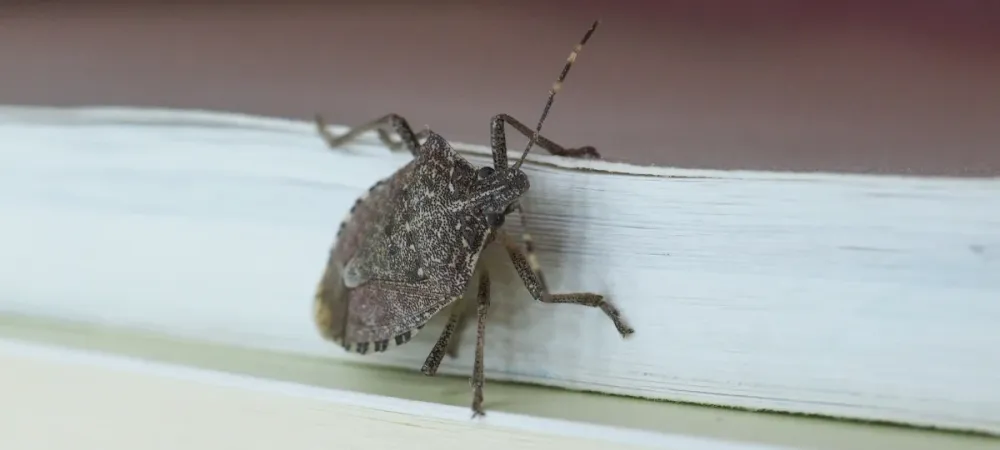
If you’ve lived through a summer in Lacey, you’ve likely had a run-in with the infamous stink bug. More specifically, the brown marmorated stink bug, an invasive species common across the Pacific Northwest, makes its way into homes across Thurston County when temperatures rise. For many homeowners, this can turn into a full-on stink bug infestation if left unchecked.
Fortunately, there are clear steps you can take to get rid of stink bugs and stop them from entering in the first place. Here’s what you should know and do before the next wave hits your home.
Key Takeaways
- Small gaps, torn screens, and open vents make it easy for stink bugs to enter homes around Lacey.
- Yellow or blue porch lights help keep stink bugs away by reducing attraction to your home’s exterior.
- Odors, daily sightings, or signs of eggs indoors show that your prevention steps may no longer be working.
- PCI Pest Control offers local, eco-friendly services to stop infestations and protect homes in the South Sound.
Seal Gaps With High-Quality Caulk
Start with the basics.
Many stink bugs enter through small crevices or gaps around windows and doors. A fresh bead of caulk around frames, siding joints, and utility access points can act as your first line of control.
Homes in Lacey, especially older ones, often have settlement cracks that create easy access points for pests.
Repair and Upgrade Window and Door Screens
Once inside, stink bugs are tough to contain. That’s why preventative measures like reinforced mesh screens are so necessary. Replace damaged screens and check for loose-fitting frames.
This is especially important in properties near greenbelt areas of Lacey, Tumwater, or Yelm, where bugs can be especially prevalent.
Install Weather Stripping and Door Sweeps
Gaps under doors may seem minor, but to a stink bug, they’re wide-open doors. Adding or replacing weather stripping can stop not just stink bugs, but also other pests like cockroaches, carpenter ants, and wasps from entering.
These simple pest control solutions often make a noticeable difference by late summer.
Eliminate Outdoor Food Sources
Fruit trees, vegetable gardens, and compost bins are familiar food sources for stink bugs. Harvest produce regularly and store waste in sealed containers. Keeping outdoor areas tidy also discourages other pest infestations, including ants and flies.
Swap Out Porch Lights for Yellow Insect Repellents
Stink bugs, especially the brown marmorated kind, are drawn to bright lights.
Research from USDA entomologist Tracy Leskey shows they’re especially attracted to blue and UV lights. While UV traps pull in too many non-target bugs, blue lights strike a better balance. For homeowners, switching to yellow or soft blue bulbs outdoors can cut down on stink bug activity around entry points.
As part of a broader pest management plan, this can reduce activity on decks and patios.
Block Attic and Crawlspace Entry Points
It’s common for stink bugs to overwinter in attics or wall voids, especially in the cool season after laying eggs. Screening attic vents and crawlspaces with fine mesh can stop this behavior and prevent them from settling in through the winter.
Know When Your Preventive Measures Aren’t Working
Even after sealing gaps and switching lights, these bugs can still slip through. Watch for these signs that it’s time to adjust your stink bug control approach:
You’re Spotting Stink Bugs Every Day
If you’re still seeing stink bugs on your walls or near windows, they may have already breached your defenses.
In that case, it’s time to reassess your pest control strategy and bring in a professional pest control company familiar with local infestation patterns.
The Odor Returns in Secluded Areas
A lingering odor in closets, attics, or crawlspaces could indicate that stink bugs are gathering out of sight. This often happens when they overwinter in hidden areas and then emerge in the spring.
At this point, a full inspection is usually necessary.
You Find Eggs or Nymphs Inside
If you’re spotting minor bugs or egg clusters, they’ve likely completed part of their life cycle indoors. That’s a significant warning sign that you’ve gone from seasonal visitors to a more established stink bug infestation.
It’s also a key moment to prevent them from laying eggs and continuing the cycle.
Don’t Let Stink Bugs Ruin Summer in Lacey
If you’ve done all of the above but are still seeing large numbers of stink bugs indoors, you might be dealing with a larger pest infestation.
At PCI Pest Control, we provide exclusion services that target stink bugs and other invaders before they can become a problem.
Our trained exterminators offer pest control services that focus on the local needs of the South Sound—from Olympia and Lacey to Yelm and surrounding areas.
As a family-owned business with decades of experience, we’re committed to keeping your home pest-free without using harsh materials or unnecessary treatments. That’s why we use eco-friendly methods to protect your home and local beneficial insects.
Contact us now to identify your specific vulnerabilities before creating a plan that fits your home and budget.
Frequently Asked Questions
Can stink bugs damage my houseplants or garden?
Yes, brown marmorated stink bugs feed on fruits, vegetables, and ornamental plants. In gardens, they pierce plant tissue and cause spots or deformities. This can reduce harvest quality and damage leaves on decorative plants.
How do stink bugs behave at night?
Stink bugs are not truly nocturnal, but they are drawn to light sources after dark. At night, they tend to gather around porch lights, windows, or other lit areas, increasing the chance of entry indoors.
Can pets be affected by stink bugs?
Pets usually aren’t harmed by stink bugs, but some dogs and cats may bite or eat them. This can cause drooling, mild vomiting, or discomfort from the bug’s foul taste and defensive chemicals.
 to walk you through your pest control plan.
