Understanding How to Keep Rodents Out of Your Home
When it comes to keeping rodents like mice and rats out of your home, understanding just how small an opening they can squeeze through is essential. Known for their flexibility, these creatures are skilled at slipping into surprisingly tiny holes, making homes vulnerable to infestations. Here, we’ll break down the smallest gaps that mice and rats can fit through, why they’re able to do it, and how you can prevent these pests from becoming uninvited guests.
How Small of a Hole Can Mice Fit Through?
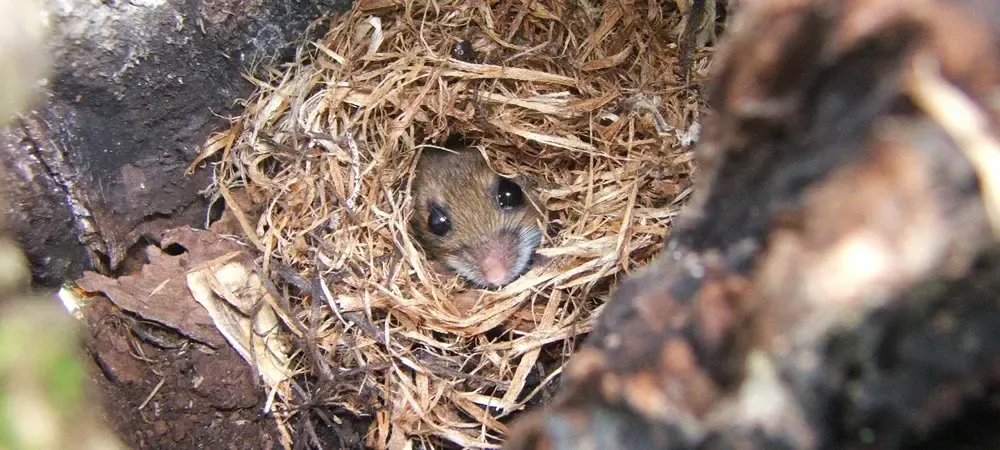
Mice are incredibly flexible, allowing them to fit through openings as small as a quarter-inch wide—about the size of a pencil! This tiny gap provides ample space for a mouse to gain entry. Given their small size and flexible skeletons, mice can easily exploit cracks in walls, gaps under doors, and even utility lines entering the home.
Why Are Mice Able to Fit Through Such Small Spaces?
Mice have collapsible skeletons and lack rigid collarbones, which means they can flatten their bodies and push through narrow openings. This unique anatomical advantage allows them to access various parts of your home where they might nest, find food, or seek shelter. The ease with which they fit through small spaces makes regular mice control and prevention methods, like sealing up cracks and keeping food stored, all the more critical.
How Small of a Hole Can Rats Fit Through?
While larger than mice, rats are equally adept at squeezing into tight spaces. Rats can fit through holes as small as half an inch in diameter—about the size of a quarter. This capability allows rats to enter basements, attics, and other hidden areas of your home, often using foundation cracks, gaps around pipes, and damaged vents as entry points.
Why Do Rats Seek Out Small Spaces?
Rats are nocturnal animals that seek safety and warmth within small, enclosed areas. They prefer these dark, hard-to-reach places because they provide protection from predators. Their natural instinct to seek shelter in confined spaces means they will take advantage of any small opening available.
Common Entry Points for Mice and Rats in Homes
Identifying and sealing common entry points around your property is crucial for effective rodent control. Here are some areas to inspect regularly:
- Walls and Floors: Cracks in walls, especially near the foundation, can be large enough for both mice and rats to squeeze through.
- Doors and Windows: Gaps under doors and around windows can provide easy entry for small rodents.
- Utility Lines and Pipes: Rodents often enter through gaps around water, gas, and electrical lines.
- Vents: Any unprotected or damaged vents, such as dryer or attic vents, offer convenient access.
- Rooflines and Chimneys: Rats, in particular, may find entry through roof gaps or chimneys if they are not adequately secured.
How to Prevent Mice and Rats from Entering Your Home
Keeping mice and rats out of your home requires proactive steps to seal entry points and eliminate potential food sources. Here are some effective rodent control methods:
1. Seal All Openings
Inspect the exterior of your home regularly and use steel wool or metal mesh to block off openings as small as a quarter-inch wide. Caulk and sealant work well for larger gaps around doors and windows, but it’s essential to use materials that rodents can’t chew through.
2. Install Door Sweeps and Weather Stripping
Adding door sweeps to exterior doors and weather stripping around windows can help eliminate entry points for mice and rats. Look for materials that create a tight seal and ensure there are no gaps larger than a quarter-inch.
3. Keep Food Sealed and Store Properly
Rodents are attracted to any food source they can find. Store food in airtight containers, keep counters and floors clean, and dispose of garbage regularly. For pet owners, it’s also wise to store pet food in sealed containers and clean up after feeding.
4. Trim Trees and Shrubs Around Your Home
Mice and rats often use trees and shrubs to climb onto roofs and access your home through gaps or vents. Regularly trim back vegetation near your home’s exterior to limit these potential pathways.
5. Set Up a Rodent Control Program
If you’re dealing with a persistent rodent problem, working with a professional pest control service can make a significant difference. Pest control professionals offer solutions like trapping, baiting, and exclusion services that are highly effective in keeping mice and rats away.
Keep Your Home Rodent-Free with Effective Pest Control
Understanding the size of holes mice and rats can fit through is the first step to effective rodent prevention. By sealing small gaps, eliminating food sources, and being vigilant about maintenance, you can make your home far less inviting for these pests. Don’t hesitate to contact a professional pest control company for long-term results.
 to walk you through your pest control plan.
