If you’ve lived in Tacoma for more than a few summers, you know the feeling: you step outside to enjoy the warm weather, only to find your backyard buzzing with uninvited guests. Stinging insects become far more active during the summer months, especially in western Washington’s mild and moisture-rich climate.
Their presence isn’t just a nuisance at picnics and barbecues. For some, painful stings can cause allergic reactions or even become life-threatening.
So if you’re wondering whether you’re ready for the local stinging insect season, here’s what you need to know, and what you should be doing if you’re not yet prepared.
Key Takeaways
- Stinging insect season in Tacoma means nests can show up early in eaves, attics, garages, and overhangs.
- Yellow jackets and other wasps gather around food, water, and cluttered yards during the summer months.
- Honeybees and bumblebees play a crucial role in pollination and should be relocated safely, rather than being removed.
- Aggressive nests or old ones from last year are best handled by pest control experts like PCI Pest Control.
Inspect Common Nesting Spots Before They’re Active
In Tacoma, nests often appear in eaves, attics, overhangs, garages, and sheds.
Paper wasps and European paper wasps prefer building their umbrella-shaped nests in spots that stay dry and undisturbed. Bald-faced hornets, a type of social insect, create large, enclosed paper nests in trees or tucked under building corners.
Early detection is key. Look for the start of a nest, a golf ball-sized structure in a high, shaded area, and remove it before the colony grows.
Don’t wait until a wasp nest is the size of a football.
Watch for Increased Activity Around Food and Water
Yellow jackets, especially, are drawn to sugary drinks, pet food, and anything left out on your patio.
In Tacoma’s warmer months, these aggressive scavengers become more persistent. Standing water, like birdbaths, clogged gutters, or poorly drained flower pots, can also attract aggressive stinging insects looking to hydrate or build nests nearby.
If you’ve noticed more buzzing than usual around your outdoor meals or water sources, it might be time to take action.
Keep Your Yard Less Appealing to Stinging Insects
Stinging insects aren’t just looking for shelter. They’re looking for food.
Mud daubers and solitary wasps prey on caterpillars and spiders. Social wasps scavenge for meat, sweets, and protein-rich food to feed their larvae. Trim back vegetation, cover trash bins tightly, and avoid leaving meat scraps or sugary drinks unattended.
If you compost, make sure it’s sealed and turned regularly. These small changes go a long way in keeping nests from forming too close to your home.
Take Bee-Friendly Steps When Managing Pollinators
Not all stinging insects are dangerous pests. Honey bees and bumble bees play a vital role in pollination. You might spot them near Tacoma’s community gardens, fruit trees, or flowering plants.
If you see a swarm or hive forming in a tricky spot, don’t destroy it, especially not with DIY sprays. Swarms are often temporary, and a local beekeeper may be able to safely relocate the hive without harming the colony.
Protecting pollinators is part of being a good neighbor and steward of Washington State’s ecosystem.
Know the Signs That It’s Time to Call a Professional
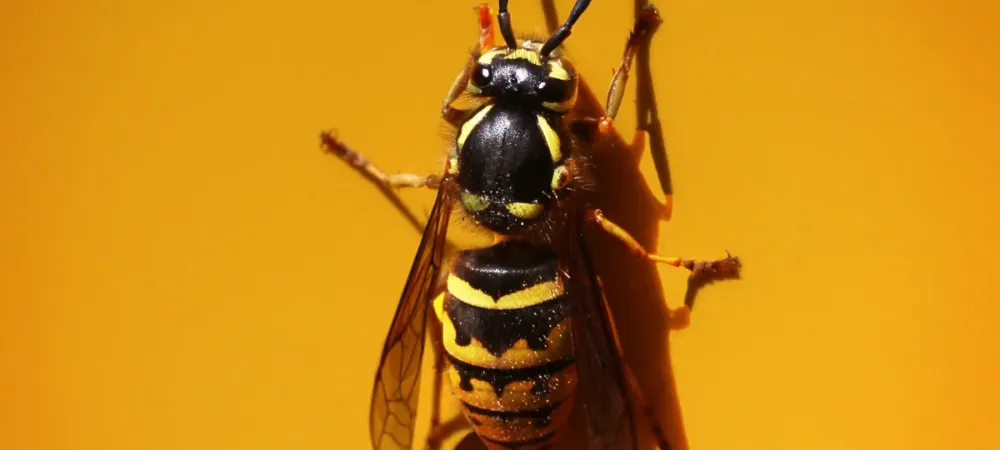
If you’re dealing with aggressive behavior, a hidden yellow jacket nest, or a structure compromised by wasps in your walls or attics, it’s best not to go it alone. Yellow jackets can sting repeatedly and will defend their nests aggressively.
DIY removal attempts can provoke an attack, especially if the nest is disturbed at the wrong time of day. If you or a family member has a history of bee stings triggering allergic reactions, don’t risk it.
Professional wasp control experts are trained to handle nest removal safely and thoroughly.
Don’t Ignore Leftover Nests From Last Year
Old nests in eaves or rafters might look harmless now, but they can still attract new colonies, or even be reused by certain types of wasps. Some solitary species, like mud daubers, will build onto old structures, and paper nests can serve as shelter for overwintering insects.
While many species die off in winter, queens often survive in hidden cracks and crevices, ready to repopulate once the weather warms. Clearing out these remnants early in the season can help reduce infestations before they start.
Stay Protected This Season with Local Pest Control You Can Trust
Tacoma’s stinging insect season isn’t just a summer inconvenience. It’s a reminder to take proactive steps around your home before nests become a serious problem.
Whether it’s a hornet nest tucked into your siding or yellow jackets taking over your garage, PCI Pest Control is here to help. Our WSDA-licensed exterminators understand the unique challenges of pest management in the Pacific Northwest.
We don’t rely on contracts or cookie-cutter solutions. Instead, we focus on what works best for your home, your safety, and your peace of mind.
If you’re not sure what you’re dealing with or how to deal with it safely, reach out. We’ll help you handle it before anyone gets stung.
 to walk you through your pest control plan.
