

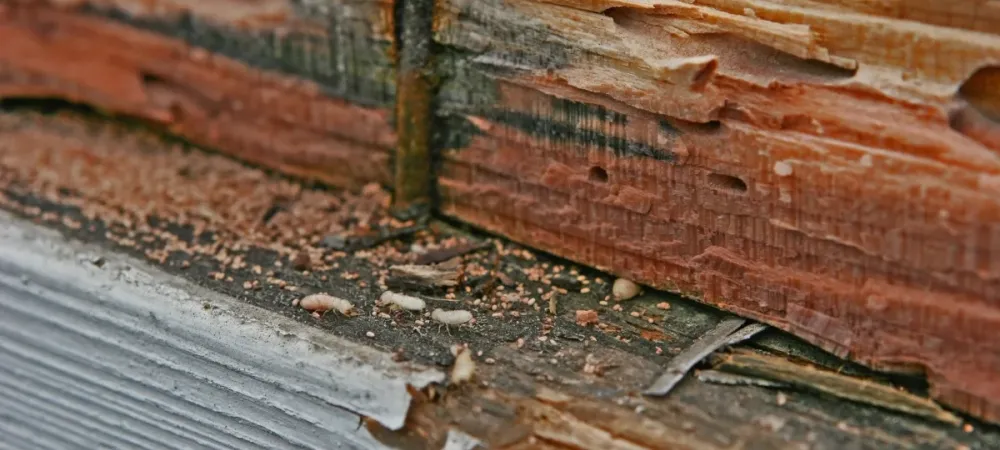
If you own a home in Lacey, Washington, termites should be on your radar. Lacey’s damp, mild climate offers termites an ideal environment to reproduce. Dark, moist areas in your home, such as crawl spaces and basements, are perfect for termites. They’re quiet, but the damage they cause can be expensive to fix.
In this guide, we’ll break down what termite activity looks like, why termite infestations are a serious issue for homeowners, and how you can prevent them. We’ll also help you understand the benefits of having regular termite inspections and letting professional pest control companies take care of your home.
Key Takeaways:
- Lacey’s damp climate creates ideal conditions for both subterranean and dampwood termites to thrive year-round.
- Signs of infestation include mud tubes, hollow-sounding wood, and discarded wings, especially near crawl spaces or basements.
- Professional pest management, exclusion methods, and regular inspections are critical to preventing severe termite damage.
- PCI Pest Control offers eco-friendly termite control services and free quotes for Lacey homeowners and commercial properties.
What does termite activity look like in Lacey?
Subterranean termites are the most common in Lacey and throughout the Pacific Northwest. They live underground, build large colonies, and can go unnoticed for months. With Lacey’s moist soil and mild weather, these termites can thrive year-round.
Image

Dampwood termites in Lacey usually target damp wood, especially if it touches the ground. While they don’t need soil contact like subterranean termites, they can still cause severe damage to wooden structures.
Image

Common signs of termite activity include:
- Mud tubes on foundation walls, crawl spaces, or basement walls
- Hollow-sounding wood or blistering on wooden surfaces
- Swarming winged termites, especially in spring
- Discarded wings near windows or doorways
These pests feed on cellulose, the main component in wood, which makes every beam and floorboard in your home a potential food source. If you’re seeing any of these signs, schedule a termite inspection right away.
Why homeowners in Lacey should care about termite infestations
Termites don’t just show up and leave. Once established, a termite colony will silently eat away at the wooden structures in your home. They can weaken your home’s structure over time. Homeowners’ insurance rarely covers termite damage, so early detection and prevention are essential.
Unchecked infestations can lead to pest problems beyond termites. Moist, decaying wood attracts carpenter ants, rodents, and even bed bugs, especially in crawl spaces or basements. Wet, decaying wood makes pest management a year-round responsibility for homeowners.
Lacey homeowners should be vigilant if their property includes:
- Wooden decks or porches
- Homes with crawl spaces or basements
- Structures near wooded areas or with excessive moisture
How to prevent termite infestations in Lacey
Prevention is always more affordable than repair. To reduce the risk of termite problems and other pest infestations, take these preventative measures:
- Eliminate wood-to-soil contact: Keep siding, posts, and other wooden components elevated.
- Address moisture issues: Repair leaking faucets, ensure proper drainage, and use dehumidifiers in basements or crawl spaces.
- Seal entry points: Cracks in your foundation and gaps around pipes serve as easy access points for termites.
- Store firewood properly: Keep it off the ground and away from your home.
- Install physical barriers and exclusion materials: Mesh or sand barriers can help block termite access.
- Schedule regular termite inspections, especially if your home has a history of pest issues.
Many homeowners may feel enticed by DIY solutions. However, without a proper inspection and treatment plan, DIY termite control cannot reach the root of the problem. Skip the short-term fixes; professional help works best.
Professional Termite Inspections and Why Lacey Homeowners Trust PCI
At PCI Pest Control, we know how quickly termites can go from a hidden issue to a significant problem. That’s why our WSDA-licensed technicians take time to inspect every key area, crawl spaces, foundations, and wood structures, so nothing gets missed.
If we find signs of termite activity, we’ll build a treatment plan based on your home’s unique needs. Whether it involves baiting systems, barrier methods, or spot treatments, we focus on long-term results without unnecessary chemicals. Fumigation is always a last resort, used only when needed.
But we don’t stop at termites. Our team can address related pest issues like rodents or carpenter ants and recommend exclusion upgrades to help keep pests out for good. We also serve commercial properties with pest solutions tailored to your business.
With decades of local experience, we deliver straightforward service, no contracts, and real results.
Final thoughts
Termites are quiet but persistent. The longer they go unnoticed, the more damage they can cause. Taking action early helps protect both your home and your wallet.
PCI Pest Control offers local expertise, straightforward service, and solutions that fit your needs. If you’re unsure what’s happening behind the walls or simply want a second opinion, we’re here to help.
Contact us today to schedule an inspection and get a plan you can trust.
FAQs
How often should I get a termite inspection in Lacey?
Once a year is a good rule of thumb, especially if your home has a history of termite activity or conducive conditions like excess moisture or wood-to-soil contact.
What’s the difference between carpenter ants and termites?
Both damage wood, but carpenter ants excavate it to build nests, while termites eat it. Carpenter ant damage is usually cleaner, while termite damage appears more ragged.
Can termites come back after treatment?
Yes, if conducive conditions return. That’s why follow-up and preventative measures are necessary. A good exterminator will help you maintain long-term protection.
 to walk you through your pest control plan.
